Strategies to manage the inverted guard in the Brazilian Jiu-Jitsu
In Brazilian jiu-jitsu, in front of an undo position such as the inverted guard can be overwhelming, especially for new practitioners or for those who are most familiar with the traditional passage sequences. The inverted guard launches the screenplay, literally, and requires a different series of reactions compared to the most conventional positions. While it may seem uncomfortable or even decidedly strange at first sight, the inverted guard is a legitimate and effective part of the modern grade. If you want to go efficiently and stay safe, it is essential to understand what the inverted guard is, because it is used and how to deal with it intelligently. Today we will discuss the best strategies to approach the reversed guard.
The importance of the guard in BJJ
https://www.youtube.com/watch?v=npuoznvzoxa
The guard is central to Jiu-Jitsu. It allows someone in an apparently defensive position to attack, control and present. Over time, the guard has evolved from the closed -end protection of more open and dynamic positions. The players today have expanded their arsenal to include variations such as De La Riva, Spider Guard, Lazo, Reverse de la Riva and the inverted guard. These innovations have remodeled the way the grapples think of the offense from the bottom. The modern guard is no longer only a defensive position but a launch pad for offense, transitions and dynamic movement.
The inverted guard
https://www.youtube.com/watch?v=Snedurgahk
The inverted guard is one of the most advanced developments in the evolution of the game at the bottom. It implies the rotation of the body upside down so that the legs and sides are high while the shoulders or top of the back remain on the carpet. From this position, the guard player can try to keep the guard, start attacks such as triangles or leg locks or set swept and back to the back. The inversion itself acts as a defensive tool to counter the pressure while opening new offensive paths. The prizes with high flexibility and strong resistance to the nucleus often favor this position, as it requires comfort in an inverted state and the ability to generate movement from non -familiar corners.
Advantages of the inverted guard
Invert the pressure from the pressure of the fund, it opens swept and the back and restores the guard, giving control through unpredictability and movement.
For the lower player, the inverting offers a series of strategic advantages. First of all, he interrupts the balance and corners of the passerby, making traditional guard pass more difficult. Secondly, it offers protection against direct pressure by redirecting the force from the nucleus and to the shoulders. Thirdly, it creates opportunities for rapid transitions in swept, back shots or legs for legs. The movement can be sudden and unpredictable, capturing the passer -by off and forcing them to react to non -familiar threats. The inverted guard also restores commitments, giving the lower player a way to escape close situations and restore the guard with greater freedom.
Guard inverted from the point of view of the passerby
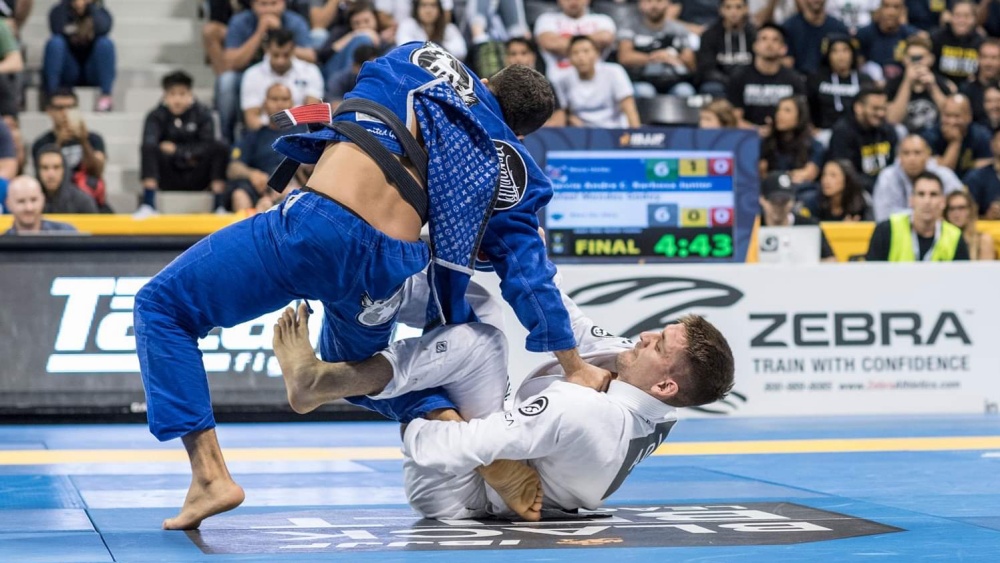
The inverted guard places embarrassing corners and hidden threats for passers -by, but with a strong posture and awareness, it can be contrasted and controlled.
From the point of view of the guard passerby, the inverted guard can be both frustrating and dangerous. The corners are embarrassing and traditional hips control objectives and flatten the opponent become more difficult to achieve. The inversion introduces threats that come from below or behind your base and, unless you train you against it, you may not see the attacks reach until it is too late. The inverted guards can bring voices such as Berimon sequences, leg locks or rapid transitions on the back. Having said that, the position is not invincible. With a good posture, balance and awareness, a passerby can dismantle the inverted protection and reaffirm control.
Common reactions to the opponent inverted guard
There are several effective responses to an opponent who chooses to reverse, to limit their movement to the execution of a leg resistance or even take their back. But for reasons of simplicity, we will deal with two simple options in this article.
1) Limiting their movements
https://www.youtube.com/watch?v=AQ2VFXXBN-O
One of the most common ways to face it is to limit the movement of your opponent and to contrast their attempts before gaining momentum. Let’s take a look at how Gordon “The King” Ryan, one of Bjj’s largest competitors, contrasts the half guard inverted in the video above.
2) Drag of the legs
https://www.youtube.com/watch?v=sdqoq4n_o_q
By limiting the space and remaining heavy, the passerby can freeze the player’s movement at the bottom and force them again in a more neutral position. The second answer is to pass the guard while the inversion is taking place. The timing is crucial. If the passerby recognizes the beginning of the reversal, it can use techniques such as the passage of Torendando or the drag of the leg to bypass the legs before reconfiguring a new structure.
https://www.youtube.com/watch?v=frijgjlwhvq
Another possibility is to use the inversion against the lower player, passing to an outlet. If the reversed player exposes his sides or cannot keep defensive frames, the passerby can cling to the opposite side and work behind them, ensuring the back and establishing a dominant position.
Anticipating the reversal while the guard passes
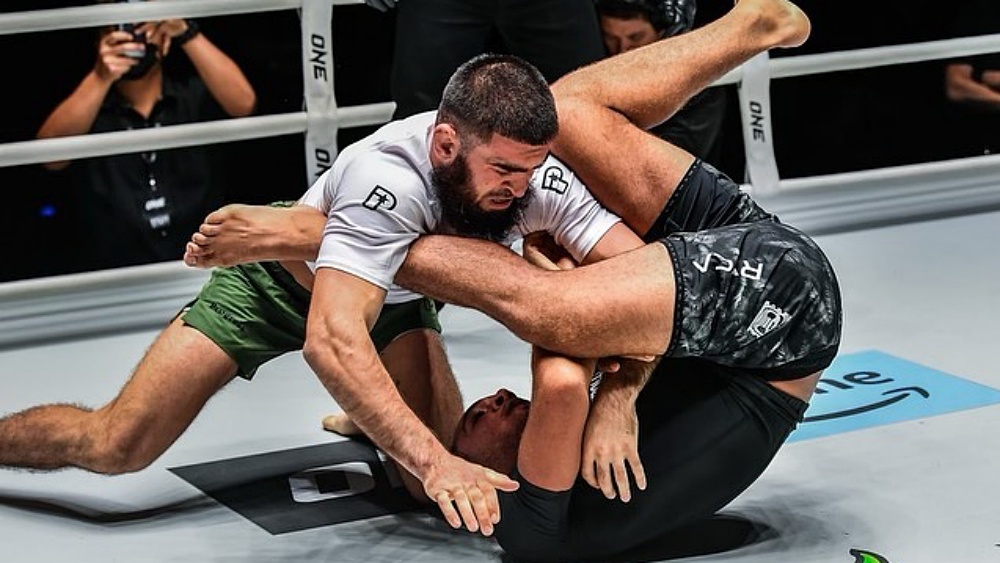
Like many strategies, one of the most effective is prevention. As the proverb says, prevention is better than cure. Identifying the signs of the half guard inverted in advance can often help you stay a step forward.
One of the most effective ways to face the inverted guard is to prevent it before it happens. Recognizing the signs that an opponent is preparing to reverse can save you from the fall in an unknown or dangerous exchange.
Often, you will notice that they are unleashed under the base, framing the ankles or shines or begin to roll the sides at the top. These are signs that is coming. To stop it, maintain a strong grip on the pants, the belt or hips. Apply the pressure in a way that blocks their ability to lift the legs or rotate the body. Always maintain the committed posture and avoid leaning too far forward, since this can lead to being swept or pulled in intertwining for the legs.
Other considerations
Not all grappler use reversal in the same way. Some are reversed to attack, while others do it to defend it or block. Your approach should depend on their intent. If they are reversed only to create the distance, it may not be necessary to engage in an aggressive way. However, if Berimbolos or lock locks are actively hunting, it is necessary to treat the position urgently.
In addition, not all types of body favor the inversion. Flexible and lighter athletes use it more often, while the heaviest grapples can fight with it or use it more selectively. Regardless of who you are facing, it is essential to respect the potential threats that come from the reversal and respond with calculated control. Especially in non-gi-gi-gate formats, the inverted protection often leads to dangerous blocks of the legs of the legs. A passerby must manage the distance and be ready to defend himself both with the movement and for the shot.
Conclusion
The inverted guard is no longer a novelty in the modern BJJ. It is a tactical and strategic tool that has been embraced by many high -level athletes for its versatility and surprise factor. As a guard passerby, it is important to understand the objectives and dangers of the inverted guard. By focusing on posture, times and calculated movement, you can face the reversed guard.
You may also like it:
Understanding of the different types of body blocks pass in Brazilian jiu-jitsu
Boxing
Berita Olahraga
Lowongan Kerja
Berita Terkini
Berita Terbaru
Berita Teknologi
Seputar Teknologi
Drakor Terbaru
Resep Masakan
Pendidikan
Berita Terbaru
Berita Terbaru
Berita Terbaru