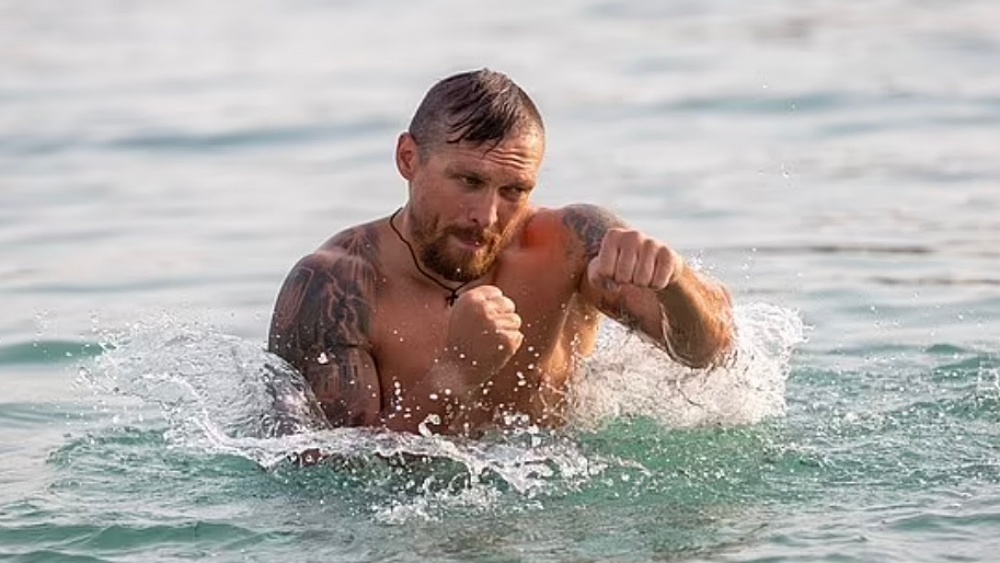
Advantages of swimming training: because each fighter should hit the swimming pool
Many professional athletes incorporate swimming training into their training routines to bring training to the next level. Swimming training pushes pulmonary ability and muscle resistance, helping to build you in a more resistant and explosive fighter.
This article will explore the advantages of swimming training and how to get the most out of it as a martial arts fighter.
Because the fighters affect the water
https://www.youtube.com/watch?v=kmlignl7uvo
Some of the reasons why swimming training is so popular among the fighters include:
- Offers the whole body resistance: The water offers 12-15 times more resistance of the air, pushing the muscles into ways that is not obtained during conventional training. Each movement recruits muscles in the back, back, nucleus and legs in unison, just like a perfectly timed demolition or combination. Practicing the combat techniques underwater improves intermuscular coordination more than the exercises above the water due to the resistance added that the water.
- Improves breath control: Swimming styles such as the butterfly teach you to inhale the blows, that your diaphragm and respiratory muscles are more hard of the running sprints, increasing the total lung capacity and the VO2 max of 15-20 percent according to research.
- Provides a low impact load: Swimming is much more delicate on the joints than running on concrete or grass, allowing you to make more training without stressing the ankles, hips and knees. This makes the ideal swimming training for the recovery days in which you still want to move without putting a significant load on your body. The low impact of swimming training also makes it an excellent rehabilitation tool.
Increasing lung ability
https://www.youtube.com/watch?v=NT_7elsfpjk
Swimming forces you in time for each breath, training the respiratory pump to work under bond. It is less likely that you run out during the fighting when you regularly push the lungs to their limits during swimming workout.
Some of the ways in which swimming strengthens the respiratory system include:
- Increase in the pulmonary volume: Intensive swimming training increases lung and heart volumes, improving the ability of your body to absorb oxygen.
- Vo2 higher max: Athletes often see a 15-20 percent jump in V2 Max in several months of swimming workouts.
- Specific resistance for combat: The taking in more air for breath allows you to deepen the scrambles or the exchanges of clinch without panting.
Swimming exercises for fighters
Now that we have covered some of the benefits of swimming training, we explore some of the most popular drills for fighting.
1) Controlled frequency respiratory drill
https://www.youtube.com/watch?v=qmsp3czzy-8
- Heating: 100 m Easy freestyle.
- Main set: 4 × 50 m of freestyle at a moderate rhythm.
- Giri 1–2: Inhale every 5 shots
- Giri 3–4: Inhale every 7 shots
- Rest: 30 seconds between repetitions.
Wait longer intervals to breathe while swimming train your body to work more efficiently during low oxygen windows, such as the next rounds of a game.
2) Shoulder duration drill
https://www.youtube.com/watch?v=oqwnu12skto
Punch after punch and clinch after clinch, the shoulders take a hammering during combat training. Swimming offers a low impact workout that strengthens the cuffs of the rotary roundabouts and the scapular stabilizers through a complete range of movement.
In some ways swimming increases shoulder resistance includes:
- Scapular stability: The resistance of the water challenges the muscles around the scapula, bringing more powerful blows and controls in situations of socket.
- Equipment of the Rotorer: Targeted swimming pool exercises correct the “push-pens” imbalance that most fighters develop from constantly engaging thrust muscles such as triceps, chest and shoulders during training. Research Show a program of rotation of the shoulders -based shoulders of 12 weeks of over 25 percent in athletes.
3) Underwater Shadowboxing
https://www.youtube.com/watch?v=zwdz7oinbew
You have probably seen videos of fighters like Saul “Canelo” Alvarez Shadowboxing while they are completely immersed. The resistance that the water generates makes you work more on every strike than launch, helping to increase power. You can also increase the lung capacity by keeping the breath underwater.
Start standing deep in the chest if you are new to the exercise with your feet away. You can try the fully submerged exercise once you can hold your breath under water for more than 30 seconds. Shadowbox for three one -minute rounds with 30 second breaks in the middle.
4) Pool sprint
https://www.youtube.com/watch?v=MEBGNQMMMLM
Enter the chest and shots for 20 seconds or as long as possible. Rest for the same amount of time and repeat sometimes more. This exercise develops a quick contraction power and trains you to push through resistance, just like you do when you are moving away from a clinch or fights an opponent who tries to drag you to the ground.
Attack a swimming parachute to life to bring this exercise to the next level.
5) Pull-blue arm set
https://www.youtube.com/watch?v=gjsnnoczauu
Put a pull-buy between the thighs and swim freestyle using only your arms. It focuses on four laps with breaks of 30 seconds with each other. This exercise isolates the upper body, so your lats and shoulders build the resistance for incessant fists.
6) Hypostic distance
https://www.youtube.com/watch?v=duyauj7dkus
Swim four laps in a freestyle swimming pool while varying your breathing intervals. Breathe every 3 shots during your first lap, every 5 strokes next, every 7 shots for the rest of the circuit. Rest for 30 seconds if you need a break between the laps.
Limit your breathing intervals during your suits trains the respiratory system to be more efficient under oxygen debt, improving your ability to continue fighting during the subsequent fighting rounds.
Exploit the power of active recovery
https://www.youtube.com/watch?v=BD4ZHUFTL3C
A cooling session in a pool Turn lactic acid from the muscles twice faster than passive recoveryhelping you present you fresh for your next training session. It is an excellent way to pamper the painful legs or shoulders after intense training sessions. Swimming also reduces inflammation of up to 14% compared to passive rest.
Here’s how a 20-minute active-receipt swimming training appears:
- 5 minutes of easy back.
- 10 minutes of constant frog or sidestroke.
- 5 minutes of delicate flutter football with a table.
- Keep efforts less than 60 percent of the maximum heart rate. This is a recovery session, not a hiit training. Focus on enjoying the break from intense training.
The formation of swimming makes you a more resistant fighter
Swimming training pushes the muscles and respiratory systems in ways simply you cannot above the water, improving the resistance and the ability to overcome the opponents during competitions. If you are trying to bring your cardio to another level, consider making the integral part of the training of your combat training!
You may also like it:
How to improve bone density for stronger punches and kicks
Evolve Martial Arts® is the brand of the Asia championship for martial arts. He has authentic world champions in Muay Thai, Brazilian Jiu-Jitsu, mixed martial arts, boxing, wrestling and not-gave. Call as the organization of martial arts n. 1 in Asia from the CNN, Yahoo! Sports, Fox Sports, Espn Starsports, Tokyo Times and many other main authorities, evolves MMA aims to provide the best martial arts instructions available everywhere on the planet.
Boxing
Berita Olahraga
Lowongan Kerja
Berita Terkini
Berita Terbaru
Berita Teknologi
Seputar Teknologi
Drakor Terbaru
Resep Masakan
Pendidikan
Berita Terbaru
Berita Terbaru
Berita Terbaru