How Sparring works in different martial arts: BJJ, Boxing, Muay Thai and MMA
In martial arts, you will often come across a wide range of terms used during training. But when you feel the word sparring, what comes to mind? It means entering the training space with another person to apply your skills in a realistic environment. But how much Sparring works greatly varies between disciplines such as BJJ, Boxing, Muay Thai and MMA. Each style uses it to build skills, fitness and mental agility without focusing on damage or fear.
Many beginners may think that Sparring is intimidating, but often it is the opposite. Sparring is fun, controlled and safe, especially in an environment in which he is led by the coaches and made with training partners who are there to learn alongside you. Having said that, we immerse yourself on how sparring works in every art and because it is important.
1) BJJ (Brazilian Jiu Jitsu)
In Bjj, “Rolling” is live in which techniques such as passages, escape and presentations in real time apply, sharpening the times, awareness and resolution of problems under pressure.
In Bjj, Sparring is often called “Rotolando”. It is a dynamic and controlled way to practice techniques on the ground. The rounds usually start from a standing or sitting position, depending on the focus of the class. The goal is to apply what has been taught during the lesson, working with your partner to improve positioning, remain balanced and seek opportunities for using sending such as arm or choke. The rolling usually lasts between five and seven minutes and often ends when a person fixes a dominant position or a tap occurs, indicating that the round is over.
Rolling helps improve problems, times and positional awareness. Coaches can guide students to focus on specific positions, such as the practice of escapes from the lower assembly or from the guard steps. This live perforation teaches students to keep calm under pressure and react without hitches, just like playing chess with their bodies.
2) Boxing
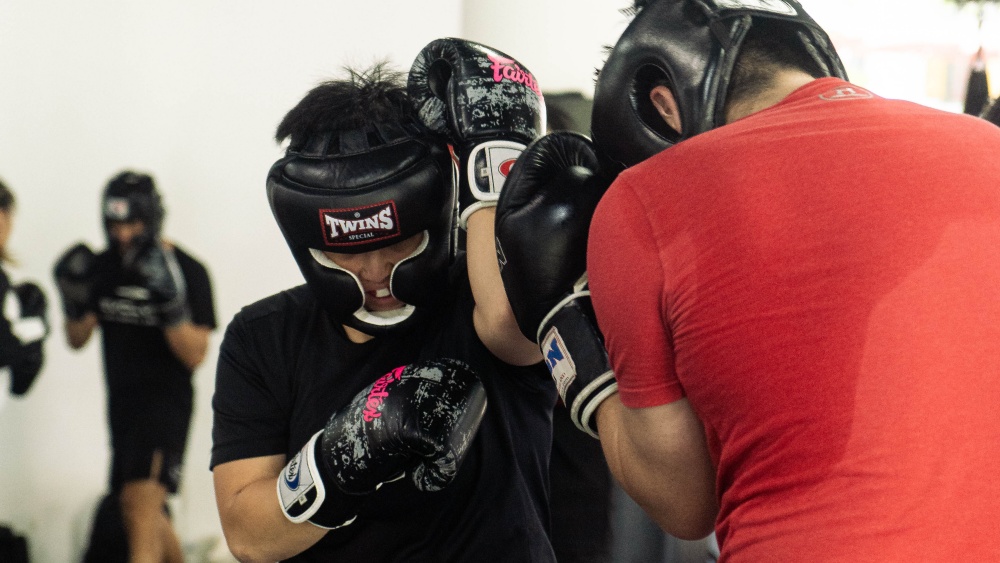
The sparring of boxing focuses on times, steps and rhythm, using light contact to practice technique, movement and combinations in short controlled rounds.
Boxing sparring is focused on times, legs and precision play. As many as many fists who define boxing are many, often the movements and the rhythm that shape the result. The partners usually wear gloves, couple and mouth guards during sparring. The attention is paid to the combination of techniques and the awareness of the construction, not only to the head each. You will feel the coaches call combinations like an one-two-tree while you move, dodge and move your weight.
Sparring in boxing can generally last between two and three minutes per round. Students usually practice light contact to imitate fists, focusing on movement and times. The round often ends when the weather has expired, allowing both partners to restore and reflect before the beginning of the next round.
3) Muay Thai
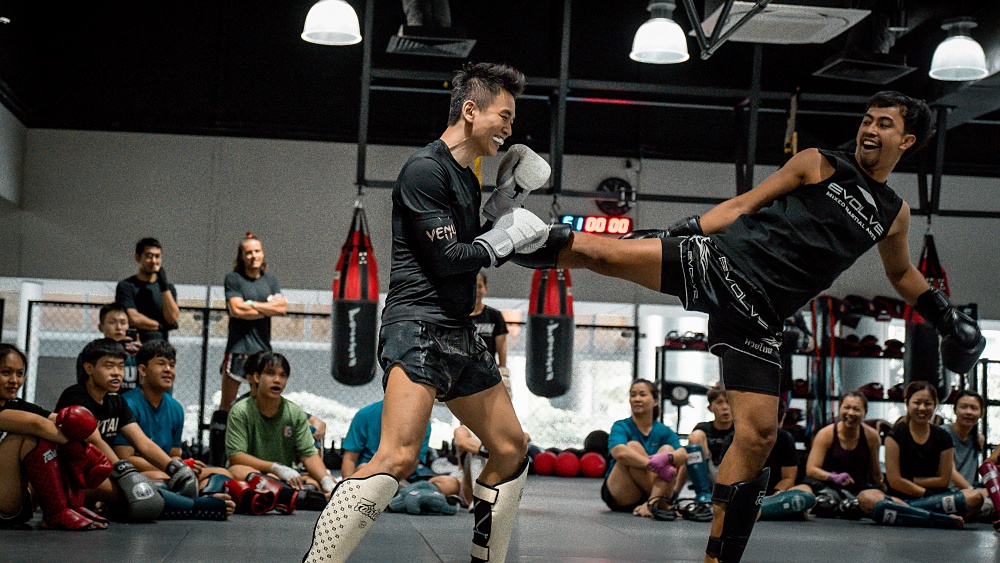
Muay Thai Sparring combines kicks, knees, clinch and punches in light, controlled rounds focused on times, balance and playful and technical exchanges.
Muay Thai Sparring includes kicks, knees and clinch work together with punches. More often, sparring is made with a light and controlled pace. Sometimes it can also feel playful, while the partners make fun of and challenge each other to keep the ride engaging and fun.
The goal is to develop a sense of timing and brought to every strike. Protective tools such as headdress, mouth guards and shin guards allow students to practice with control while building power and flow. This creates a safe and focused environment in which it is possible to work on rhythm, distance and coordination in all areas of crop.
Each sparring around Muay Thai usually lasts between two and five minutes, with students focusing on times, balance and controlled exchanges. The emphasis is on the movement of the fluids, on the clean technique and on the reading of your partner rather than overwhelming them.
4) MMA
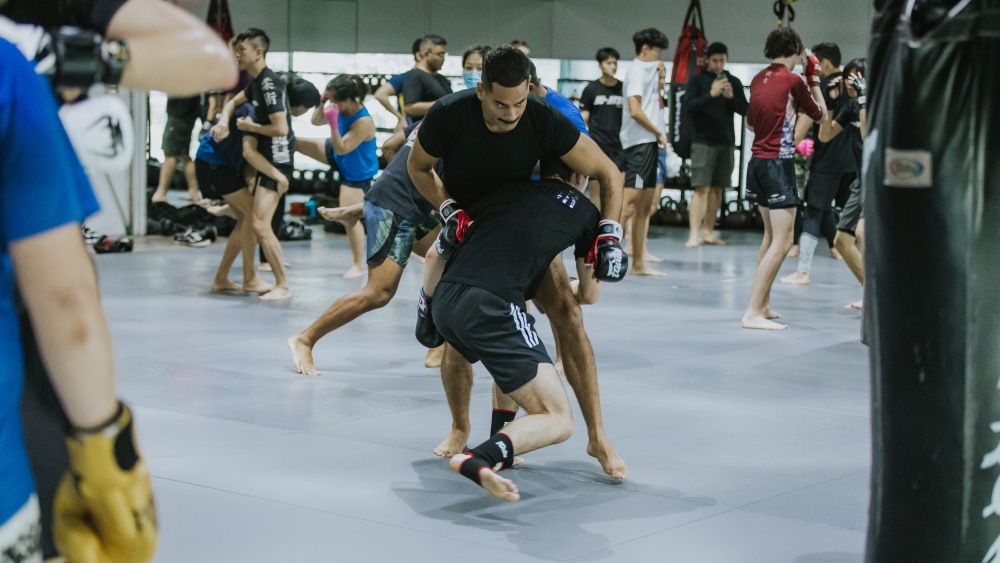
MMA Sparring mixes strikes, struggling and transitions in various rounds that build adaptability, QI combat and composure under pressure.
MMA Sparring merges both surprising and struggling. Some rounds imitate boxing or Muay Thai, while others move in Takedown, land transitions and observations. It is unpredictable, just like a real struggle.
Since MMA includes different skills, the sparring rounds vary each session on fire. One round can only be standing, another can be a mix and then another focuses on wrestling transitions. This variation develops adaptability, cardio under pressure and ability to read and react, regardless of where the struggle goes.
How they complete each other
https://www.youtube.com/watch?v=Snosrutkv3i
The MA practices often cross in surprising arts to refine the stand-up skills. The punching boxing and refined leg game, while Muay Thai covers the range of clinch and knee. BJJ combines finesse struggling with these surprising arts to create all -round fighters.
The cross formation offers both physical variety and mental stimulation. Each discipline improves a different part of your game. A hit -and -e -man learns to defend the Takedown, while a grappler builds surprising awareness, timing and leg game. Together, they form a more complete fighter.
Tips for beginners
https://www.youtube.com/watch?v=FP29Zoroeus
If you are new to Sparring, take it slowly. Start with light intensity and focus on control and technique. The goal is to apply what you have learned, not to win or demonstrate anything. If you are training in a surprising art such as Boxing or Muay Thai, use Sparring to work on time, distance and movement.
For the arts struggling like BJJ, rolling is a great way to practice transitions and maintain good positioning. Pay attention to balance and breathing and always aims to move with a purpose. If you like a mix of surprising and struggling, MMA Sparring will help you develop adaptability and flow between different situations. Focus on staying calm and make weighty decisions.
It remains relaxed and treat it as an opportunity to improve your rhythm and awareness. It is likely that every advanced student is simply working on the perfection of their techniques. Going too hard shows nothing. Usually it shows a lack of control and understanding rather than ability and often exposes your habits or weaknesses more than hiding them.
Conclusion
Spazing through Bjj, Boxing, Muay Thai and MMAs share a central purpose: live training, remaining acute and learning in a support environment. Each discipline brings its own attention, whether they are controlled on the ground, surprising precision, surprising variety or adaptability with a complete spectrum. These elements build physical coordination and sharpen mental clarity.
Through intelligent sparring practices, go beyond machines and routines. Build Instincts, trust and true ability. This is the power behind the formation of martial arts: learning to move, think and adapt while growing with others who share your journey.
You may also like it:
The science of the leg of legs: because the movement is important in every martial art
Boxing
Berita Olahraga
Lowongan Kerja
Berita Terkini
Berita Terbaru
Berita Teknologi
Seputar Teknologi
Drakor Terbaru
Resep Masakan
Pendidikan
Berita Terbaru
Berita Terbaru
Berita Terbaru